













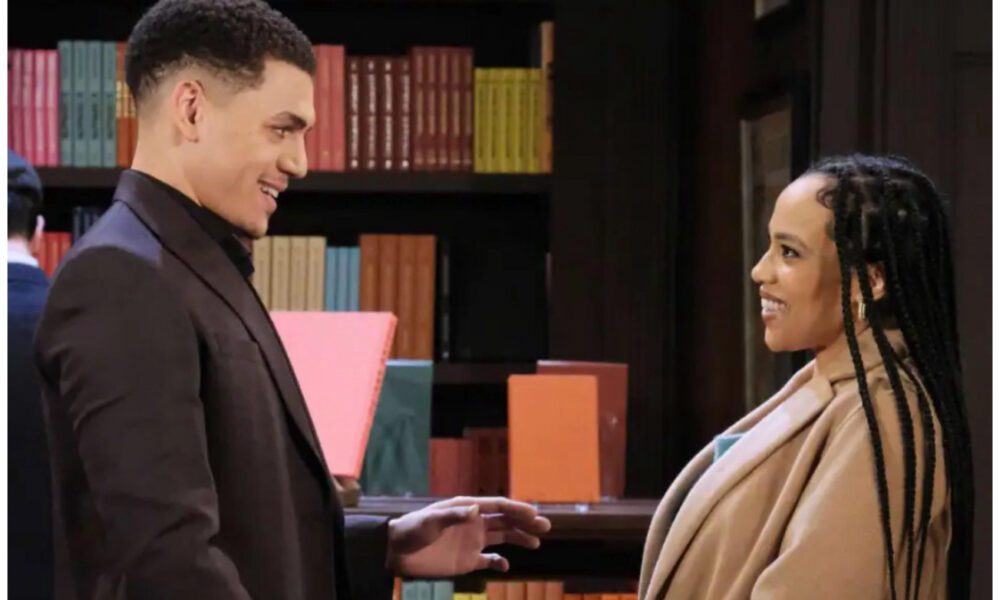

For decades, Days of Our Lives has captivated audiences with its intricate love stories, passionate rivalries, and unforgettable couples. From Bo and Hope’s epic adventure to Sami and EJ’s tumultuous dance, Salem has been a crucible for some of daytime television’s most iconic romances. However, a recent potential pairing on the horizon – Jada Hunter and Theo Carver – has ignited a firestorm of fan concern, prompting an urgent reevaluation of its viability. While the show occasionally ventures into unexpected territory, this particular dynamic feels less like a fresh chapter and more like a fundamental misstep, threatening to unravel years of established character relationships and defy viewer expectations.
A Brotherhood Forged in Time: The Unbreakable Carver-Hunter Bond
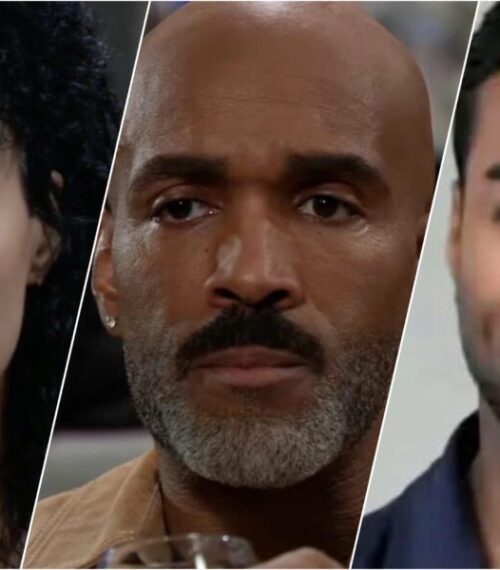
At the heart of the resistance to a Jada and Theo romance lies a foundational element of Days of Our Lives lore: the profound brotherhood between Abe Carver and Marcus Hunter. For nearly forty years, this relationship transcended mere friendship, becoming a cornerstone of Salem’s moral compass. Abe and Marcus weren’t just pals; they were brothers by every measure that counts – loyalty, unwavering support, and shared history. This sacred bond firmly established the Carver and Hunter families as an inseparable unit, an extended clan where familial affection, not romantic intrigue, was the defining characteristic. [IMG1]
When Jada Hunter arrived in Salem as Marcus’s daughter, her connection to the Carver family was immediately apparent and deeply ingrained. Abe Carver, in his characteristic warmth, welcomed her as a beloved niece. Theo, having grown up within this very family dynamic, naturally views Jada through the lens of a close relative – a spiritual cousin, if you will. The idea of these two characters embarking on a romantic journey sends a visceral ‘ick factor’ through a significant portion of the fanbase. It feels akin to watching siblings or first cousins develop a romantic interest, a boundary that, once crossed, is incredibly difficult for viewers to reconcile with decades of established narrative. The show itself meticulously built this platonic family legacy; to disregard it now for the sake of a new pairing risks alienating the very audience that has invested so deeply in these characters.
Bridging the Chasm: The Glaring Maturity Gap Between Jada and Theo
Beyond the familial connections, another significant hurdle for any potential Jada and Theo romance is the colossal maturity gap separating them. Jada Hunter is a woman who has navigated the complexities and harsh realities of adult life with steely resolve. As a seasoned SPD detective, she operates in a world of high stakes, having investigated brutal murders, dismantled dangerous drug rings, and faced life-altering decisions. Her past includes a profoundly difficult choice regarding a pregnancy with Eric Brady, a storyline that showcased her emotional depth, strength, and the weight of her experiences. Jada carries a gun and a badge, embodying a gritty professionalism and a life lived on the front lines.
In stark contrast, Theo Carver, while a commendable and kind young man, remains Salem’s perennial optimist and innocent. His storylines typically revolve around supportive family roles, navigating the initial stages of a tech career, and demonstrating an earnest, yet less world-weary, perspective. His recent endeavors center on building startups and being a dutiful son. When Jada and Theo do share scenes – often during the various medical crises involving Abe – Jada instinctively adopts a protective, almost ‘auntie-like’ demeanor. Her voice softens, her gestures become reassuring, and she offers comfort in a way one would offer to a younger, more vulnerable relative. This paternalistic, rather than passionate, vibe is palpable and consistently undermines any semblance of romantic tension. No amount of contrived encounters or well-meaning matchmaking from characters like Paulina can fundamentally alter this inherent dynamic.
The Recipe for Dullness: When “Good” Doesn’t Spark Romance in Salem
Soap opera physics dictates a fundamental truth: compelling romance thrives on conflict, friction, and undeniable sexual tension. The most enduring and beloved couples in daytime drama are often those who fight their way to love, overcoming obstacles, clashing personalities, and navigating explosive betrayals. Think of the legendary battles and eventual reconciliations of Sami Brady and EJ DiMera, the adventurous spirit of Hope Brady and Bo Brady, or even the chaotic, undeniable pull between Nicole Walker and Eric Brady. These pairings offered a constant ebb and flow of drama that kept viewers glued to their screens.
What, then, do Jada Hunter and Theo Carver bring to this crucial romantic equation? They are, by all accounts, fundamentally good people. They follow rules, respect authority, cherish their families, and exude kindness and support. While these are admirable qualities in friends or family members, they often translate into painfully boring television when applied to a romantic lead couple. Where would the drama originate? A disagreement over dish duty would likely result in immediate apologies and quick resolutions, devoid of the passion or fireworks that define compelling soap opera love. There would be no high-stakes arguments, no dramatic misunderstandings, and certainly no explosive confrontations that fuel social media discussions in all caps. The ‘good person + good person’ equation, unfortunately, rarely equals thrilling romance in Salem; it equates to a stable, albeit unexciting, support system. As family friends, Jada and Theo are perfect; as romantic partners, they risk sending viewers scrambling for the remote.
The Unmistakable Signals: On-Screen Dynamics Tell the Tale
For observant viewers, the evidence of this chemistry void has been consistently playing out on screen. During the extensive storylines surrounding Abe Carver’s amnesia and recovery, Jada and Theo shared a considerable amount of screen time in various hospital waiting rooms and family gatherings. These were prime opportunities for connection, for glances to linger, for an underlying spark to ignite. Yet, what consistently transpired was a noticeable absence of romantic undertones.
Their physical contact was almost exclusively limited to platonic gestures: an arm pat of comfort, a brief, side-on hug in moments of shared distress. Their eye contact, while present, was fleeting and often redirected, focusing on the immediate crisis or another character rather than each other. Crucially, their body language often saw them standing parallel to one another, united against a common problem, rather than facing each other in a way that suggests intimacy or mutual attraction. This ‘geometry of friendship’ – parallel lines that never intersect – speaks volumes about their relationship. [IMG2]
Perhaps the most damning evidence of all is the complete lack of jealousy in their dynamic. Imagine a new, attractive character flirting with Jada at the Brady Pub. Would Theo seethe with possessive rage, a tell-tale sign of romantic interest in soap operas? Absolutely not. It is far more likely he would offer a kind smile and perhaps even encourage Jada, a reaction that perfectly embodies sibling-like support, not romantic longing. The signals from their interactions are unambiguous: they are family, and a deeply platonic one at that.
Preserving Salem’s Authentic Heartbeat: Why This Matters for the Future
The debate surrounding Jada and Theo extends beyond a single pairing; it touches upon the very fabric of Days of Our Lives‘ storytelling ethos. For a show with such a rich, four-decade history, respecting established character relationships and legacies is paramount. Viewers invest emotionally in these connections, and a sudden, unconvincing shift can feel like a betrayal of that trust. Prioritizing character integrity and organic chemistry over forced pairings is crucial for maintaining the authenticity that has kept Salem alive and thriving for so long.
Furthermore, a misguided romance could inadvertently limit the potential for both Jada and Theo to find truly compelling and compatible partners within the vast canvas of Salem. Both characters deserve storylines that allow them to flourish, explore genuine romantic connections, and contribute meaningfully to the show’s future without being shoehorned into an awkward dynamic. Ultimately, listening to the passionate and discerning fanbase is not just good practice; it’s essential for preserving the heart and soul of Days of Our Lives. The show has a golden opportunity to demonstrate its commitment to thoughtful storytelling by choosing to honor history, acknowledge existing dynamics, and craft romantic paths for Jada and Theo that resonate authentically with its loyal audience.