














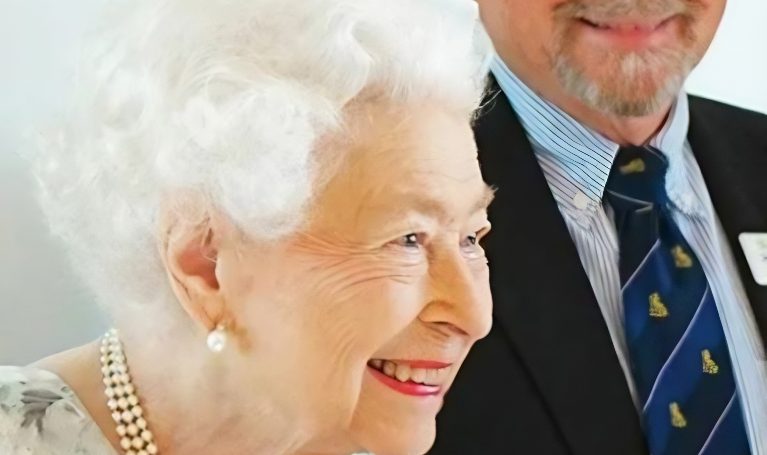

The trajectory of the British Royal Family, a venerable institution steeped in centuries of tradition, might have taken an entirely different path had Queen Elizabeth II chosen to abdicate her throne in 2018. This hypothetical decision, a mere four years before her eventual passing, carries profound implications, suggesting that an earlier transition to a new reign could have irrevocably altered the family’s dynamics, public perception, and even its long-term future. Exploring this ‘what if’ scenario allows us to consider how individual choices, even within a monarchical system, can ripple through history and redefine the destinies of those at its very heart.
The Queen’s Unwavering Commitment: A Reign Until the End
For many years leading up to her death, a recurring public discussion centered on the possibility of Queen Elizabeth II stepping down and transferring her duties to her eldest son, Prince Charles. Despite these widespread sentiments and the understandable desire for a smoother, pre-planned succession, Her Majesty remained steadfast in her commitment. She famously pledged to serve her people for her entire life, a vow she honored until her passing in September 2022. Consequently, Prince Charles only ascended to the throne as King Charles III after his mother’s death, beginning his reign at an age when most individuals have long retired.
The year 2018 represents a crucial juncture in this hypothetical narrative. At that point, public opinion regarding the monarchy, and particularly the future of its leadership, harbored different nuances. While King Charles’s eventual accession was met with varied reactions, an earlier transition might have cultivated a distinct atmosphere. Furthermore, the personal circumstances and anticipated roles of key family members—Charles, William, Harry, and Meghan—were poised on a precipice, their futures undoubtedly shaped by the Queen’s decision to continue her reign.
The Weight of Expectation and Public Sentiment
The prolonged wait for Prince Charles to become monarch was a topic of considerable public sympathy and discussion. For decades, he served as the longest-serving heir apparent in British history, a position that came with immense responsibilities but no ultimate authority. This extended period of waiting, often described as a ‘long tease,’ created a unique dynamic within the Royal Family and among the public. Had Queen Elizabeth abdicated, this prolonged anticipation would have been circumvented, potentially garnering more robust support for the Royal Family from a public keen to see their future king finally assume his destiny.
An earlier abdication would have allowed the nation to embrace a new era of leadership before the onset of significant economic challenges and global uncertainties that emerged in the subsequent years. This shift could have fostered a sense of renewed purpose and vitality for the monarchy during a period of relative calm, rather than during times of increased national and international stress. The strategic timing of such a transition could have significantly influenced how the public perceived and engaged with the new sovereign.
King Charles III’s Earlier Reign: A Different Trajectory
Imagine King Charles III taking the throne in 2018. At 69 years old, he would have embarked on his reign with considerably more vigor and physical energy than he possesses today in his mid-70s. In 2018, he still maintained robust health, demonstrating an eagerness and determination to implement his long-held visions and initiatives. This earlier start could have fundamentally reshaped the initial years of his monarchy, allowing him to lay groundwork and push through reforms with greater impetus.
His well-documented stance on critical issues such as global warming, environmental conservation, and sustainable community projects could have gained traction much sooner. While not universally agreed upon, his objectives in these areas might have accelerated policy discussions and public awareness campaigns significantly. An early ascension would have empowered him to act decisively on these passionate causes, embedding them as core tenets of his reign from the outset, rather than having to wait for his later years when the urgency of these issues has only intensified.
Harnessing Momentum for Royal Initiatives
The perceived ‘long tease’ that characterized Charles’s journey to the throne often overshadowed his extensive work as Prince of Wales, where he established numerous charities and championed various causes. An earlier transition would have allowed him to channel that considerable experience and passion directly into his role as monarch. He would have become king before reaching his 70s, presenting a more dynamic public image and potentially inspiring greater confidence in his ability to lead the Commonwealth. This could have fostered a period of more proactive engagement, where his progressive ideas found an earlier platform for implementation.
Furthermore, ascending the throne during a period of relative economic stability, before the global financial shifts and cost-of-living crises began to bite, could have provided King Charles with a more favorable public reception. A monarch starting their reign in buoyant times often finds it easier to build public goodwill and secure the nation’s confidence, laying a stronger foundation for the challenges that inevitably follow.
The Sussexes’ Path Under a New Monarch
Meghan Markle officially joined the Royal Family in May 2018, marrying Prince Harry. Her initial months as a royal would have unfolded under the reign of a new king, had Queen Elizabeth abdicated. This change in leadership, occurring at such a pivotal moment for the couple, could have entirely reshaped their narrative and their eventual decision to step back from senior royal duties. A new reign often signifies a ‘wiping clean of the slate,’ bringing with it new protocols, priorities, and a different internal dynamic.
Under King Charles III, Harry and Meghan might have encountered fewer direct comparisons to the established protocols of Queen Elizabeth’s long reign. A new monarch often introduces a fresh approach, potentially creating a more adaptable environment for new members. Moreover, the relationship between the younger monarch and Prince William might have found more common ground in their working dynamic. This fresh start could have fostered an environment where the Sussex couple felt more integrated and less constrained by historical precedent.
Mitigating Pressure and Fostering Integration
Many royal commentators have suggested that a new king assuming the throne in 2018 could have helped alleviate some of the intense public and media pressure on the Duke and Duchess of Sussex. A new reign often diverts significant attention and scrutiny to the incoming monarch, potentially providing Harry and Meghan with more space to define their roles. While it is impossible to assert definitively that they would have remained senior working royals, an altered initial experience might have led to a more positive and collaborative outcome. The context of their entry into the family, under the direct patronage and style of a new monarch, could have shifted their perception of their place within the ‘Firm’ and their engagement with their duties.
Prince William’s Accelerated Role and Preparation
If King Charles had assumed the throne in 2018, Prince William would have immediately gained the title of Prince of Wales. This would have granted him an additional six years in this crucial preparatory role compared to his actual ascension in 2022. This extended period would have been invaluable for William, allowing him more time to acclimate himself fully to the responsibilities and public scrutiny inherent in being the heir apparent. Such an extended apprenticeship would have provided a richer foundation of experience, preparing him more thoroughly for his future role as monarch.
With greater experience and confidence forged over these additional years, Prince William might have confronted significant family challenges, such as the scandal involving Prince Andrew, with greater decisiveness and at an earlier stage. A more seasoned Prince of Wales, already deeply integrated into the firm’s leadership alongside his father, could have played a more prominent and effective role in navigating such complex situations, potentially mitigating their long-term impact on the monarchy’s reputation.
Strengthening the Monarchy’s Public Image
The public image of the Royal Family, often referred to as ‘the Firm,’ could have also benefited significantly. Princess Catherine, as the future Queen, would have had an extended period to ease into her demanding role, collaborating more extensively with William on their joint goals for public relations and charitable endeavors. Their collective vision for a modernized monarchy, focused on accessibility and service, could have taken shape and been communicated effectively long before Queen Elizabeth’s health began to decline. This early collaboration and visible leadership from the future King and Queen could have solidified public confidence and support for the succession.
Navigating Royal Crises with a New King
Every royal crisis tests the monarchy, and different monarchs respond in unique ways. It is compelling to speculate how various challenges, particularly the serious allegations against Prince Andrew, might have unfolded under King Charles III’s leadership rather than Queen Elizabeth II’s. Many royal observers believed that the Queen, motivated by maternal instinct and a desire to protect the institution, shielded Prince Andrew to some extent. However, a King Charles, less bound by the emotional ties of a mother and perhaps more focused on the long-term integrity of the institution, might have adopted a different strategy.
King Charles could have pursued a more decisive and swift resolution, aiming to quietly reset the situation and minimize lingering damage to the Crown. His leadership style, known for its progressive leanings and a greater willingness to streamline the monarchy, might have led to a quicker and more public distancing from Andrew. This proactive approach could have potentially limited the negative headlines and restored public trust more rapidly, showcasing a monarchy capable of robustly addressing internal challenges.
Proactive Responses to Public Scrutiny
One can only hypothesize about the public’s reception of the Royal Family during periods of crisis seven years ago under an alternative leadership. However, it’s plausible that Prince William’s more recent, robust approach to addressing “wayward royals” and ensuring accountability within the family might have materialized much sooner under a King Charles who prioritized efficiency and public perception. This shift towards a more decisive and accountable monarchy could have strengthened its standing at a crucial time, demonstrating its capacity for self-correction and adaptation in the face of modern challenges.
Modernizing the Monarchy: A Faster Pace?
Had Queen Elizabeth abdicated, the public’s opinion of King Charles might today be considerably more favorable, reflecting a longer and more established term on the throne. A longer reign would have provided him with ample opportunity to demonstrate his capabilities, implement his vision, and solidify his legacy, fostering a deeper connection with his subjects. This extended period of visible leadership could have transformed public perception, moving beyond the ‘heir apparent’ stereotype to fully embrace him as a strong and effective sovereign.
Concurrently, Prince William would have accumulated significantly more experience in a senior leadership role over an extended duration. This invaluable preparation would undoubtedly have smoothed his eventual transition as the future monarch, ensuring he was exceptionally well-versed in the intricate workings of the institution and its global responsibilities. Such a continuity of experienced leadership could have profoundly influenced the stability of the Commonwealth, presenting a united and forward-thinking front during a period of evolving global relationships.
The Enduring Impact of a Different Timeline
While we can only speculate about these hypothetical scenarios, the idea of an earlier abdication prompts reflection on the future of the monarchy itself. Such a precedent, set by Queen Elizabeth II, might have encouraged subsequent monarchs, including King Charles III and Prince William, to consider stepping down before their passing. This progressive approach could pave the way for younger generations, such as Prince George, to ascend the throne at a more dynamic age, offering the institution an opportunity for ongoing modernization and relevance in an ever-changing world. It underscores how one pivotal decision could have reshaped not just individual destinies, but the very fabric and future direction of the British monarchy, ensuring its continued existence and adaptation in the centuries to come.