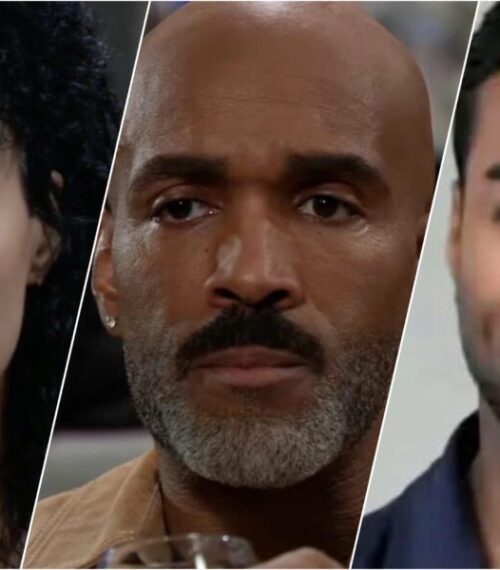














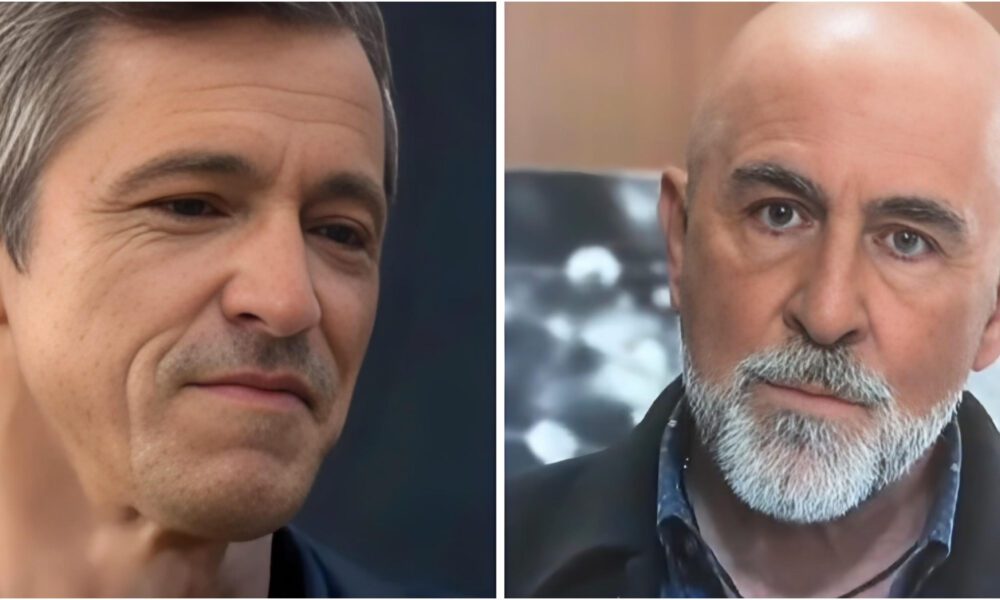

For months, General Hospital viewers have been gripped by a sprawling mystery, meticulously piecing together clues about the enigmatic figure known only as "The Man." This shadowy boss, orchestrating sinister plots from the unseen corners of Port Charles, has kept fans on the edge of their seats. While initial theories pointed towards a variety of high-profile antagonists, a compelling new fan theory suggests the real puppet master has been hiding in plain sight all along: Pascal, Jenz Sidwell’s seemingly unassuming butler at Wyndemere. As the drama unfolds, the accumulating evidence paints a terrifyingly convincing picture that the quiet man serving tea might, in fact, be the true architect of the chaos.
The Subtlety of Power: Why the Quiet One Often Reigns Supreme
It’s a pattern well-established within the rich tapestry of General Hospital lore: the most dangerous villains rarely shout their intentions from the rooftops. Instead, they often operate with a chilling calm, exerting influence through proxies and hidden agendas. Pascal, with his perpetually composed demeanor and uncanny ability to navigate tense situations without so much as a raised eyebrow, fits this archetype perfectly. While Jenz Sidwell rages and postures, it is Pascal who maintains an unnerving equilibrium, a stark contrast that hints at a deeper, more profound level of control.
Consider Pascal’s known background: he was the orchestrator of an entire criminal operation at the infamous Five Poppies Resort in Croatia. This was no minor role; it required strategic brilliance, ruthless execution, and undeniable authority. So, why would such a man voluntarily assume the role of a mere butler? On the surface, it appears to be an inexplicable demotion. However, in the intricate world of Port Charles, a demotion can often be the most effective disguise. By fading into the domestic backdrop of Wyndemere, Pascal could be strategically positioning himself, allowing Sidwell to draw all the attention while he meticulously pulls the strings from the shadows, unburdened by scrutiny.
A Familiar Playbook: GH’s History of Hidden Villains
Long-time General Hospital enthusiasts recognize this narrative strategy. The show has a storied history of employing the "loud villain as a decoy" trope. Helena Cassadine often manipulated events through her loyal, yet outwardly subservient, staff. The notorious Cesar Faison masterfully used disguises and an army of proxies to carry out his schemes, rarely revealing his true face or intentions directly. Even Victor Cassadine, a formidable presence, often operated from within established, seemingly legitimate organizations like the WSB, wielding power discreetly. Pascal’s calm, almost invisible presence mirrors these iconic villains, suggesting that the true power lies not in overt aggression, but in quiet, calculated manipulation. Every subtle shift in Sidwell’s demeanor when Pascal enters a room further strengthens this unsettling hypothesis, hinting at an unspoken hierarchy.
Dissecting the Evidence: Fan Theories Go Full Detective Mode
The theory of Pascal being "The Man" isn’t merely speculative; it’s backed by a series of chilling details that have turned dedicated fans into amateur sleuths. These seemingly innocuous moments, when viewed through the lens of Pascal’s potential true identity, take on a whole new, sinister meaning. The subtle cues and deliberate word choices offer a deeper understanding of the power dynamics at play within Wyndemere’s walls.
The Ominous "They" and Sidwell’s Unsettled Demeanor
One of the most compelling pieces of evidence emerged after Sidwell shot Professor Dalton. When Pascal confronted Britt Westbourne, his warning was delivered with an institutional weight: "THEY’RE watching," he stated. The deliberate use of the plural "they" is profoundly significant. It implies a collective authority far greater than Sidwell, and potentially, even larger than Pascal himself – or it could be the royal "they," a subtle linguistic power play from someone who IS the ultimate authority. This grammatical choice suggests an individual who either speaks for a massive, overarching power structure or embodies that power entirely, using language to maintain an air of distance and mystery.
Moreover, the interactions between Pascal and Sidwell are loaded with unspoken tension. As shrewd observers have pointed out, Sidwell’s typically abrasive bravado tends to falter in Pascal’s presence. His words come faster, his carefully constructed tough exterior appears to fray, revealing a hint of something deeper. It’s more than mere respect; there’s a palpable deference, an undercurrent of apprehension. This nuanced body language suggests that Sidwell, despite his posturing, is keenly aware that he is not at the apex of the criminal food chain, and Pascal holds a position of significant, perhaps ultimate, power over him.
Pascal’s Unwavering Composure and Authoritative Declarations
In stark contrast to Sidwell’s theatrical displays, Pascal never resorts to yelling, never explains himself, and never needs to posture. His warnings are delivered with a chilling, clipped calmness that carries more weight than any shouted threat ever could. When he informed Britt, "this is your second chance and you won’t be given a third," it wasn’t presented as a threat but as a definitive statement of fact. This is the language of someone with absolute authority, someone who possesses the inherent power to enforce their decrees without needing to raise their voice. His words resonate with an undeniable finality, signaling a quiet, yet terrifying, competence.
Eight Months of Calculated Misdirection?
The quest to identify "The Man" has been a central narrative thread on General Hospital since early 2024. References to this mysterious male boss have been scattered like breadcrumbs, consistently reinforcing the idea of a hidden, superior power. Pascal’s frequent demands for Britt to complete "HIS" assignment, coupled with Sidwell’s mentions of "their friend" being dissatisfied with Dalton’s progress, all point to someone operating above both of them. What if the answer to this prolonged mystery has been meticulously placed in plain sight for the entire duration, simply polishing the silver and maintaining the domestic order?
If this theory holds true, then viewers have been witnesses to eight months of masterfully executed misdirection. Every scene where Pascal appeared to be a subordinate, fulfilling Sidwell’s commands, could have actually been a carefully orchestrated performance, with Pascal subtly managing his puppet. Every moment Sidwell postured, threatened, and asserted his dominance would then be revealed as nothing more than a carefully crafted theatrical act, distracting everyone from the real power silently operating behind the scenes. This level of long-form storytelling would be a testament to the show’s narrative depth.
Connecting the Dots: Faison’s Legacy and Wyndemere’s Secrets
General Hospital’s head writers have cryptically described "The Man" as "crazy and diabolical," promising that the eventual reveal will "recontextualize everything" and directly link the mystery to Cesar Faison’s final, unfinished project. Enter Pascal: he is directly connected to Britt (Faison’s daughter), operates out of Wyndemere (the ancestral seat of the infamous Cassadine family), and possesses a chillingly efficient skill set that includes making people disappear without a trace. These converging elements – Faison’s legacy, the Cassadine stronghold, and Pascal’s particular talents – align perfectly with the description of a diabolical mastermind, suggesting that the pieces of this intricate puzzle are finally falling into place around him.
Why This Revelation Would Mark Peak GH Storytelling
While alternative theories abound—perhaps a resurrected Faison, a miraculously returned Peter August, or an entirely new, unforeseen entity—the Pascal theory resonates deeply because it taps into the very essence of what General Hospital has trained its audience to expect from its best narratives. It’s a classic soap opera twist, rewarding years of viewer loyalty and attention to subtle details.
The Cassadine throne, a symbol of immense power and dark influence, has remained vacant since Nikolas’s imprisonment and Valentin’s departure. A significant power vacuum exists at Wyndemere. What greater irony, what more profound insult to the Cassadine legacy, could there be than for the new, true king of this iconic estate to be masquerading as a humble servant? To live openly within the very seat of power, while everyone—including his immediate subordinates—unknowingly bows to his will through his chosen puppet, would be a stroke of narrative genius.
What This Means Moving Forward
Regardless of whether you are firmly entrenched in Team "Pascal is absolutely The Man" or you believe a larger, unseen force is yet to emerge, one undeniable truth remains: this unfolding mystery has reignited fan engagement like few storylines in recent memory. The debates rage across social media platforms, from dedicated Facebook groups to spirited Reddit threads, with passionate viewers dissecting every scene, every line of dialogue, and every subtle glance. This fervent discussion and widespread disagreement among the fanbase is the hallmark of truly exceptional soap opera storytelling. It compels viewers to invest, speculate, and eagerly anticipate the next revelation, proving that sometimes, the most captivating villains are those who whisper their commands rather than shout them.