















A seemingly progressive environmental initiative by Prince William has unexpectedly ignited a firestorm of debate, casting a shadow over his ambitious plans to bring the Earthshot Summit to India next year. What appears on the surface to be a noble endeavor to champion global environmental solutions is being met with pointed accusations of hypocrisy and historical insensitivity, particularly from those who recall the fraught legacy of the British monarchy in the subcontinent. This unfolding narrative prompts a crucial examination not only of environmental leadership but also of the complex intersections between present-day philanthropy and the indelible imprints of the past.
Unpacking the Earthshot Prize: A Vision for a Greener Future
The Earthshot Prize, founded by Prince William, stands as a beacon of hope in the global fight against climate change and environmental degradation. Conceived as a prestigious international award, its mission is to discover and scale innovative solutions to the planet’s most pressing environmental challenges. Each year, five winners are chosen across specific categories, receiving substantial funding and support to further their groundbreaking work. The initiative aims to inspire collective action and galvanize efforts to repair our planet within a decade.
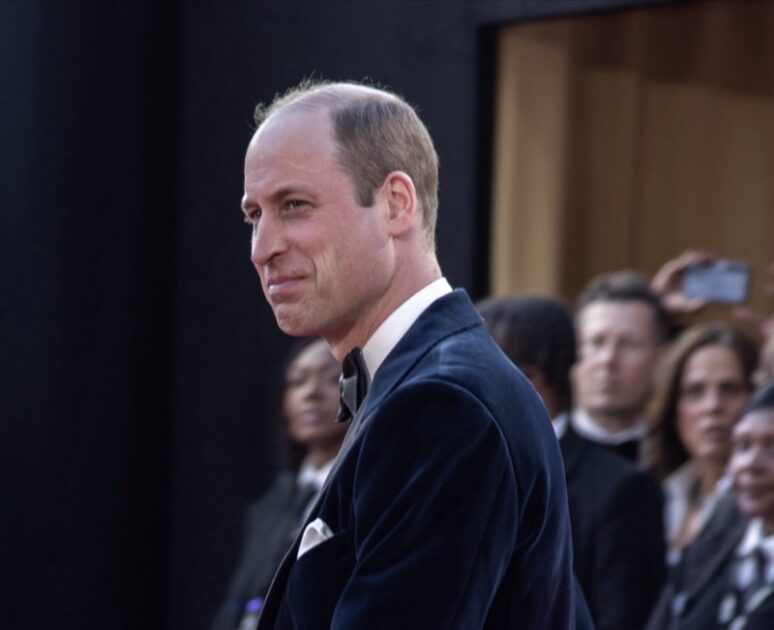
Hosting the summit in diverse locations globally, including potentially India, aligns with the Prize’s ambition to engage a broad international audience and highlight environmental efforts worldwide. Such a move would typically be lauded as a significant step towards fostering global environmental collaboration and sharing critical knowledge. The decision to consider India for the Earthshot Summit underscores the nation’s growing economic and geopolitical significance, as well as its crucial role in the global environmental dialogue. The Duke of Cambridge has consistently championed environmental causes, making the Earthshot Prize a cornerstone of his public work. [IMG1]
India’s Environmental Tapestry: Challenges and Commitments
India, a nation of over 1.4 billion people, stands as a critical player in the global environmental landscape. According to reports from The Times, it is currently the world’s third-largest emitter of carbon, trailing only China and the United States. The country accounts for approximately 8 percent of global carbon emissions, with coal serving as its primary energy source, powering much of its rapid economic development and burgeoning population. The sheer scale of its energy demands presents a formidable challenge to its environmental goals.
However, India has also demonstrated remarkable commitment to addressing its environmental footprint. The nation has set ambitious goals, aiming to reduce its emissions by a substantial 50 percent by 2030. Furthermore, it has committed to achieving net-zero emissions for its entire economy by 2070. These targets underscore a profound understanding of the environmental imperative and a proactive stance in the face of significant developmental challenges. The sheer scale of India’s population and industrial growth means that its approach to sustainability profoundly impacts global climate efforts, making it a crucial partner in any worldwide environmental dialogue and a key focus for global initiatives like the Earthshot Prize.
The Echoes of History: Why "Fraud" Allegations Resonate
The enthusiastic reception typically afforded to high-profile environmental initiatives appears to be notably absent in the discourse surrounding Prince William’s proposed visit to India. Instead, a wave of criticism has emerged, with many public commentators and online voices labeling the Prince a ‘fraud.’ The core of this controversy doesn’t solely revolve around India’s current environmental status but rather intertwines deeply with the historical relationship between the British monarchy and the subcontinent.
Critics argue that for the future King of England to lecture India on its air quality and environmental practices—given the royal family’s complex and often exploitative history in the country—is seen as an act of profound insensitivity and even hypocrisy. This historical baggage, characterized by centuries of colonial rule, resource extraction, and socio-economic disruption, creates a challenging backdrop for any modern diplomatic overture, especially one with an inherent tone of guidance or admonition. The perception is that the British monarchy, still seen by some as beneficiaries of colonial wealth, lacks the moral authority to dictate environmental policy to nations that bore the brunt of historical exploitation.
The Kohinoor Diamond and Calls for Reparations: A Symbol of Contention
At the heart of much of the online outcry lies a potent symbol of British colonial legacy: the Kohinoor diamond. This magnificent, historically charged gem, currently part of the British Crown Jewels, was acquired by the East India Company and subsequently presented to Queen Victoria. For many, it represents the spoils of empire and a stark reminder of historical injustices, making it a focal point for demands of repatriation.
Social media platforms have become a vibrant forum for these sentiments, with critics expressing their indignation unequivocally. One commentator pointedly remarked, "He’s such a fraud. Such an unserious wasteful fraud. William should arrive in India with the Kohinoor diamond in hand before he lectures anyone on the environment." This sentiment was echoed by another, who wrote, "He should arrive on his knees with the Kohinoor Diamond in one hand, reparations in the other while begging for forgiveness. Give me a break. Go lecture yourself in a mirror before setting foot in India. Just no." These powerful statements highlight a deep-seated desire for historical acknowledgment and restitution, framing the environmental debate through a lens of colonial accountability. The demand isn’t merely for an apology but for tangible acts of redress, making the Kohinoor diamond a symbol for broader discussions on reparations and historical justice that precede any environmental discourse. [IMG2]
Navigating Royal Diplomacy: The Palace’s Silence and Future Implications
The intensity of the public reaction, particularly across social media, has placed Buckingham Palace in a delicate position. As of now, the Palace has maintained a discreet silence on the matter, offering no official comments regarding the planned Earthshot Summit in India or the widespread criticism leveled against Prince William. This lack of immediate response, while characteristic of royal protocol in sensitive situations, only amplifies the scrutiny and allows speculation to fester.
Another observer noted, "It’s wild that he is doubling down. The future king of England going to India to lecture them. Oh my god. He is going to be a nightmare for the government to deal with." Such comments underscore the potential diplomatic challenges and public relations minefield that such a visit could present for both the British government and the Royal Family. The decision to proceed, or indeed to re-evaluate, carries significant weight, impacting not only Prince William’s public image but also the broader narrative of modern British-Indian relations and the evolving role of the monarchy in a decolonized world. The silence from Kensington Palace and Buckingham Palace only highlights the sensitivity of the issue.
Beyond the Headlines: The Broader Implications for Royal Diplomacy
The controversy surrounding Prince William’s proposed Earthshot Summit in India transcends a simple environmental discussion; it is a vivid illustration of how deeply historical legacies continue to shape contemporary international relations and public perception. For the Royal Family, this episode serves as a powerful reminder that engagement with former colonial nations must be approached with extreme sensitivity, empathy, and a profound understanding of historical context. Any initiative, however well-intentioned, risks being overshadowed and undermined if it fails to acknowledge past injustices and the lingering effects of colonialism.
This situation challenges the monarchy to evolve its diplomatic strategies, moving beyond traditional modes of engagement to embrace a more nuanced, self-aware approach that prioritizes reconciliation and mutual respect. The global stage is no longer merely a platform for promoting modern causes but also a crucible where historical accountability is demanded with increasing frequency. How Prince William and the Royal Family navigate this complex issue will undoubtedly set a precedent for future royal tours and influence the perception of the British monarchy’s relevance and legitimacy in a rapidly changing world. It forces a critical look at the very foundation of royal diplomacy and its capacity to adapt to a world increasingly conscious of historical grievances.